
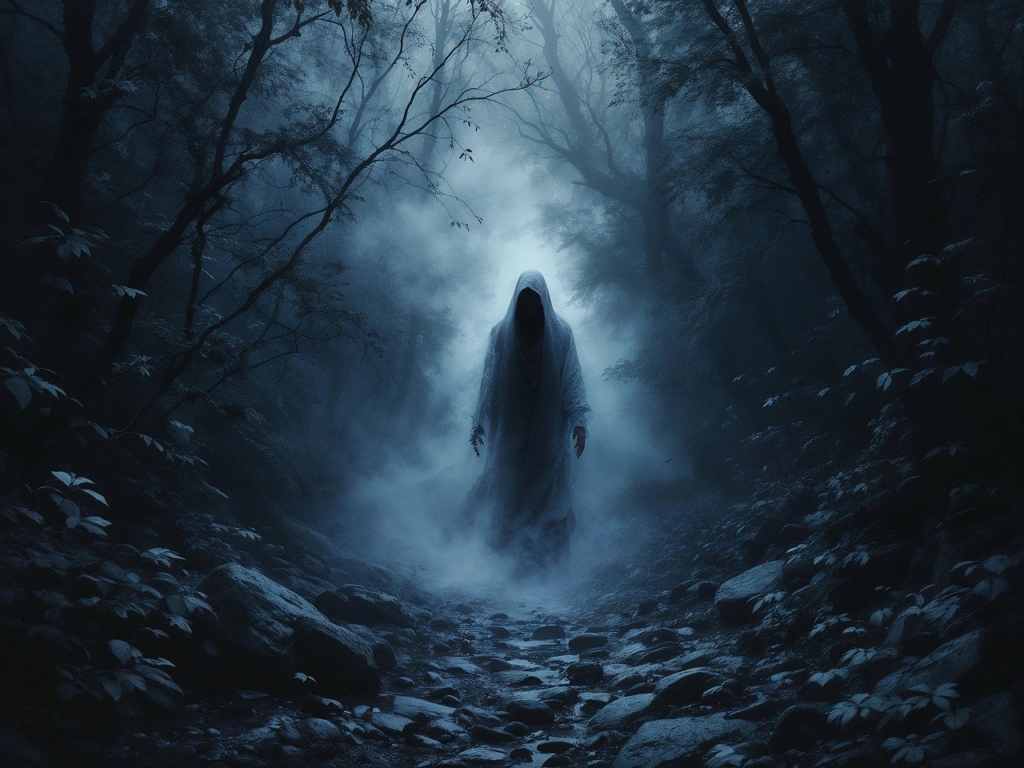
10 Ancient Native American Evil Spirits: Legends and Mysteries Unveiled
Native American cultures are deeply rooted in spirituality, and many of their legends feature powerful spirits that shaped their understanding of the natural world. Among the countless tales of deities, ancestral spirits, and benevolent forces, there also exists a darker side: stories of Native American evil spirits. These spirits are believed to be malevolent beings that can wreak havoc on human lives, causing illness, suffering, and even death. In this post, we will dive into the myths surrounding 10 ancient Native American evil spirits, exploring their origins, significance, and the role they play in indigenous folklore.
Table of Contents
- Introduction
- The Wendigo: Spirit of Cannibalism
- Skinwalkers: Shapeshifters of Navajo Legend
- Coyote: The Trickster Spirit
- The Thunderbird: Duality of Power and Destruction
- The Horned Serpent: Guardian or Malicious Force?
- Chindi: The Ghost of Vengeful Spirits
- Demon of the Northern Winds: Ithaqua
- Hecesiiteihii: The Cannibal Spirits of the Arapaho
- Deer Woman: Seductive and Deadly
- The Flying Head: Iroquois Tale of Terror
- Conclusion: Lessons from the Dark Side of Native American Spirits
1. Introduction
Throughout history, the Native American evil spirit has captured the imagination of storytellers, shamans, and historians alike. These spirits are often linked with natural phenomena, human misbehavior, or the balance between life and death. In this blog post, we will explore some of the most fearsome and legendary Native American evil spirits, many of which are still feared today. These spirits are often invoked as warnings or lessons, emphasizing the importance of respecting nature and maintaining harmony with the spiritual realm.
This exploration will take you through the myths and legends of various tribes, including the Algonquian, Navajo, Arapaho, and Iroquois. You will discover how different tribes conceptualized and personified evil through their Native American evil spirit lore, as well as the implications these spirits have for the people who believed in them.
To Request for prayer from one of our pastor today . Kindly click here https://old.vogimprayerland.org/deliverance-request/
Follow us on Facebook
2. The Wendigo: Spirit of Cannibalism
Perhaps one of the most infamous Native American evil spirits is the Wendigo, a creature from Algonquian legend. This evil spirit is said to embody hunger and greed, particularly in the context of cannibalism. The Wendigo was once human but transformed into a terrifying monster after consuming human flesh during times of famine. Its appearance is said to be gaunt and skeletal, with sunken eyes and an insatiable hunger that can never be satisfied.
The legend of the Wendigo served as a moral tale, warning against the dangers of gluttony, selfishness, and unchecked consumption. It was also a way for the Algonquian people to explain the horrors of cannibalism during harsh winters when food was scarce. The Wendigo symbolizes the destructive power of hunger and the loss of humanity when survival instincts override compassion.
Key Characteristics of the Wendigo:
- Gaunt, emaciated appearance
- Insatiable hunger, especially for human flesh
- Associated with cold, winter, and famine
- Known to possess humans, turning them into Wendigos themselves
3. Skinwalkers: Shapeshifters of Navajo Legend
The Navajo people have long believed in a Native American evil spirit known as the Skinwalker, or “yee naaldlooshii.” These spirits are human witches or sorcerers who possess the power to transform into animals, often using this ability for malicious purposes. Skinwalkers are said to be able to take on the form of wolves, coyotes, or even owls to spy on, stalk, and harm people.
The legend of the Skinwalker is a complex one, deeply tied to Navajo medicine and the concept of balance. Those who become Skinwalkers are said to have gained their power through dark rituals, often requiring the sacrifice of a close relative. Once a person has taken on the form of a Skinwalker, they are no longer seen as human but as a dangerous Native American evil spirit capable of murder, illness, and other forms of malevolent influence.
Traits of the Skinwalker:
- Shapeshifting ability, typically into animals
- Associated with witchcraft and dark rituals
- Often linked to personal grudges or vengeance
- Difficult to kill, requiring specialized Navajo rituals
4. Coyote: The Trickster Spirit
In many Native American traditions, Coyote is a complex figure, embodying both wisdom and mischief. In some stories, Coyote is a benevolent guide, while in others, he takes on the role of a Native American evil spirit, leading people astray through trickery and deception. His role as a trickster spirit is particularly prominent in southwestern tribes, such as the Navajo and the Hopi.
Coyote’s misdeeds often involve manipulation, playing with human emotions, and disrupting social order. While he is not always considered malevolent in the same way as other Native American evil spirits, his trickery often leads to disastrous consequences, making him an ambivalent figure in Native American mythology. Coyote serves as a reminder of the unpredictable and chaotic forces in life.
5. The Thunderbird: Duality of Power and Destruction
The Thunderbird is revered in many Native American cultures as a powerful and protective spirit. However, in certain contexts, the Thunderbird can also be seen as a Native American evil spirit when it unleashes its destructive side. This enormous bird is said to control the weather, causing thunderstorms and rain, but when angered, it can bring about devastating lightning and floods.
For the Algonquian and Lakota people, the Thunderbird represents both creation and destruction. While it may protect the people and ensure the fertility of the land, it also serves as a reminder of the uncontrollable forces of nature. The Thunderbird is a symbol of the delicate balance between life-giving and life-taking powers, embodying both good and evil depending on the circumstances.
Characteristics of the Thunderbird:
- Can control the weather, especially storms
- Associated with both protection and destruction
- Represents the duality of natural forces
- Sometimes viewed as a destructive Native American evil spirit when angered
6. The Horned Serpent: Guardian or Malicious Force?
The legend of the Horned Serpent is found in many Native American traditions, particularly among the Cherokee and Iroquois. This Native American evil spirit is typically depicted as a large, snake-like creature with horns or antlers. It is often associated with water, guarding sacred rivers and lakes. While some tribes view the Horned Serpent as a protective guardian, others see it as a dangerous, evil force that brings misfortune and death to those who encounter it.
In some stories, the Horned Serpent is a malevolent being that lures people to their doom with promises of power or riches. In others, it is a wise and powerful spirit that helps the worthy and punishes the wicked. The Horned Serpent embodies the ambiguity of many Native American spirits, which can be both benevolent and malevolent depending on the situation.
7. Chindi: The Ghost of Vengeful Spirits
In Navajo belief, a Chindi is the spirit of a person who has died with unresolved anger or bitterness. Unlike other Native American evil spirits that may embody natural forces or mythological creatures, the Chindi is often seen as a ghostly presence, haunting the living to enact revenge or carry out unfinished business. The Chindi typically manifests after the death of someone who was deeply angry, leading to illness or bad luck for those who come into contact with it.
The Navajo people have developed specific rituals to avoid the influence of a Chindi, including abandoning the house where a person has died to prevent the spirit from lingering. The Chindi represents the lingering effects of negative emotions, teaching a lesson about the dangers of unresolved conflict and the importance of making peace before death.
8. Demon of the Northern Winds: Ithaqua
In Algonquian folklore, Ithaqua is known as the demon of the northern winds. This terrifying Native American evil spirit is associated with the freezing cold and blizzards of the northern territories. Ithaqua is believed to abduct travelers and hunters, leaving their frozen bodies behind or taking them to unknown, desolate realms. The demon is said to wander the icy wastes, constantly searching for new victims.
Ithaqua embodies the fear and danger of the northern wilderness, where extreme cold and isolation can be life-threatening. The spirit’s presence in Native American folklore serves as a warning about the perils of venturing into the unknown without proper preparation or respect for the elements.
9. Hecesiiteihii: The Cannibal Spirits of the Arapaho
Among the Arapaho, the Hecesiiteihii are another form of cannibalistic Native American evil spirits. These malevolent beings are said to roam the earth, searching for human victims to devour. Like the Wendigo, the Hecesiiteihii are linked with times of famine and hunger, symbolizing the desperation that can drive people to commit unthinkable acts. These spirits are often invoked in Arapaho storytelling to teach lessons about survival, self-control, and the consequences of losing touch with humanity.
10. Deer Woman: Seductive and Deadly
The Deer Woman is a Native American evil spirit that appears in the folklore of various tribes, including the Omaha, Ponca, and Ojibwe
. She is described as a beautiful woman with the hooves of a deer, capable of seducing men and leading them to their deaths. The Deer Woman is often seen as a cautionary figure, warning young men to be wary of temptations that could lead to their downfall.
In some stories, the Deer Woman represents the dangers of lust and infidelity, while in others, she punishes those who have wronged women or acted immorally. Despite her beauty, the Deer Woman is a dangerous spirit, capable of inflicting death and despair on those who cross her path.
11. The Flying Head: Iroquois Tale of Terror
The Flying Head is a monstrous Native American evil spirit from Iroquois legend. Described as a giant, disembodied head with fiery eyes and sharp teeth, the Flying Head is said to terrorize entire villages, consuming anything in its path. This horrifying spirit is often seen as a symbol of revenge or the embodiment of a cursed soul seeking justice for past wrongs.
The Flying Head serves as a reminder of the power of unresolved grudges and the devastating effects of revenge when taken to extremes. The Iroquois tell tales of how the Flying Head can be banished or outwitted, but the spirit’s presence always lingers as a potential threat to those who harbor anger and bitterness.
12. Conclusion: Lessons from the Dark Side of Native American Spirits
As we’ve explored these 10 Native American evil spirits, it becomes clear that these beings serve more than just a frightful purpose. They are deeply rooted in the cultural fabric of Native American traditions, offering moral lessons and warnings about the dangers of greed, hunger, vengeance, and unchecked emotion. While these spirits are often feared, they also play an essential role in preserving balance and ensuring that human beings live in harmony with nature and the spiritual world.
The stories of these Native American evil spirits continue to resonate today, reminding us of the age-old struggle between good and evil, creation and destruction, and the consequences of failing to respect the forces that govern our world.
To Request for prayer from one of our pastor today . Kindly click here https://old.vogimprayerland.org/deliverance-request/
Follow us on Facebook
Live a Reply